Yes, you can replace handles canvas bags with new straps. It's a practical, cost-effective solution when the rest of the tote is still in good condition.
You can replace handles on canvas, leather, or synthetic bags using traditional stitching or modular systems to restore functionality and extend your bag's life.
Assessing Your Canvas Bag's Handle Damage
Before starting, examine your bag for signs of wear.
Common damage patterns include:
Fraying or splitting at the seams where handles attach
Broken stitching that leaves handles loose or dangling
Worn leather or canvas showing cracks and peeling
Handles that have stretched out and no longer distribute weight evenly
Attachment points that are pulling away from the bag body
Check if stitching is intact or if attachment points are compromised, this determines whether you need reinforcement. Also identify whether handles are sewn or attached with hardware like rivets or grommets, as this affects your repair approach.
DIY Bag Handle Replacement: Tools and Materials You'll Need
Essential tools:
Seam ripper (for removing old stitching)
Sharp scissors or craft knife
Needle suitable for heavy fabric (upholstery needle works well)
Ruler or measuring tape
Marker or tailor's chalk
Materials you'll need:
Heavy-duty thread (nylon or polyester, waxed if possible)
New strap material (canvas webbing, synthetic leather, or genuine leather)
Optional: rivets, grommets, or D-rings if your original bag used hardware
Optional: reinforcement fabric (cotton twill or canvas scraps)
Canvas webbing is durable and affordable; synthetic leather offers a polished look; genuine leather develops character over time. Match the thickness to your original handles for proper proportion.
Step-by-Step Guide to Replacing Canvas Bag Handles
Step 1: Remove Old Stitching and Hardware
Use a seam ripper to carefully cut through the stitching holding old handles, working slowly to avoid damage. Once most thread is cut, pull the old handle away.
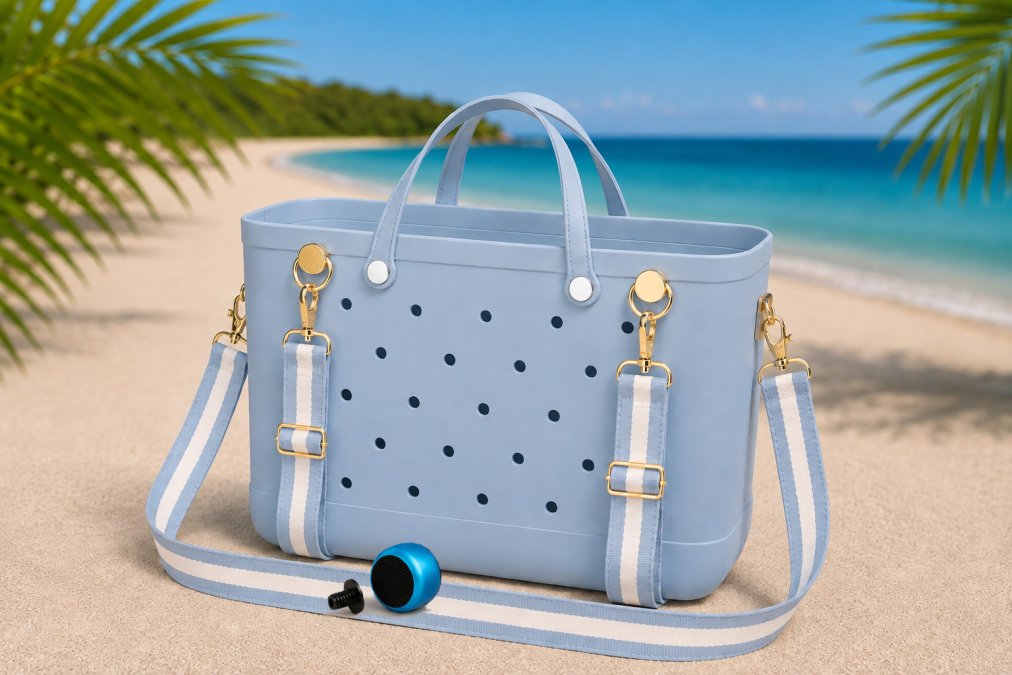
Strapistry C S Complete Blue Spker Bundle
For riveted or grommet handles, use a rivet removal tool or drill bit carefully to avoid tearing canvas. After removal, inspect attachment points for holes, tears, or weakness, reinforce compromised canvas before installing new handles.
Step 2: Reinforce Attachment Points with Internal Structure
Reinforcement is critical to prevent handles from tearing through canvas under stress.
Internal webbing reinforcement: Cut a 3-4 inch wide strip of heavy-duty canvas webbing or cotton twill and position it inside the bag behind where the handle will attach. Stitch or glue it firmly to distribute load across a wider area. Use two layers for bags carrying heavy items regularly.
Interfacing for lightweight bags: Iron-on interfacing (medium to heavy weight) applied to the interior adds structural support without bulk, preventing stretching or tearing.
Patch reinforcement for damaged areas: Cut a reinforcement patch from canvas or twill at least 2 inches larger than the damaged area. Glue it to the inside using heavy-duty fabric adhesive, then stitch around all edges once dry. Clean attachment areas thoroughly to remove thread, debris, and old adhesive.
Mark attachment points 2-3 inches from the top edge, centered and symmetrical. Pre-drill holes for rivets or grommets, spacing them about a quarter-inch apart to prevent canvas tearing.
Step 3: Install New Handles with Multi-Point Load Distribution
Position the handle straight and aligned. Using heavy-duty thread and an upholstery needle, stitch a box stitch pattern: around the perimeter (0.25 inches from edge) then an X through the middle. Make stitches small and tight (about a quarter-inch apart). For maximum durability, make two complete passes with the second offset by 0.125 inches.
Saddle stitch for premium durability: Use a saddle stitch (double-stitch) with two needles on opposite ends of waxed thread, stitching simultaneously from both directions. This creates a seam nearly as strong as machine stitching.
Place rivets through pre-drilled holes using a rivet setter tool, spacing them 0.75-1 inch apart. Use at least 4-6 rivets per attachment point for bags carrying significant weight. Repeat for the second handle, ensuring both are secure and symmetrical to avoid unbalanced weight distribution.
Selecting the Right Strap Materials for Canvas Totes
Canvas webbing is affordable, durable, and matches canvas bags. It ages well but has limited color options. Measure your original handles to match the width (typically 1.5, 2, or 2.5 inches) for proper comfort and proportion.
Synthetic leather offers a refined look with minimal maintenance and resists staining. Verify thickness matches your original handles (typically 1-1.5mm); thinner versions feel flimsy, thicker ones may not fold smoothly.
Genuine leather develops beautiful patina and feels premium but requires ongoing conditioning. New leather appears brighter than aged leather; pre-age handles by exposing them to sunlight for 2-3 weeks or staining with leather conditioner to darken the tone and match existing patina.
Nylon webbing is lightweight and weather-resistant but feels less warm than canvas or leather.
Hardware Compatibility: Measuring and Matching
Match existing hardware dimensions for proper installation. Rivets are sized by diameter (1/8", 5/32", or 3/16"), measure existing rivets or holes and order the exact same size. D-rings come in standard sizes (0.5", 0.75", or 1 inch); measure inner width to ensure fit. Grommets are sized by inner diameter (0.5" or 0.625"). Verify your rivet setter tool matches your rivet size before purchasing.
Color Matching and Patina Management
One of the most overlooked aspects of handle replacement is the visual mismatch between new and old materials. A brand-new tan canvas handle on a bag with a rich, aged patina looks jarring and unfinished.
For canvas webbing: If your bag's canvas has darkened or yellowed with age, purchase webbing in a slightly darker or more muted tone than the original bag color. Test the match by holding the new webbing next to your bag in natural daylight, fluorescent store lighting often misrepresents color. If the match isn't perfect, consider overdyeing new webbing using fabric dye to match the existing patina. This is a simple process: soak the webbing in diluted fabric dye for 15-30 minutes, then rinse and dry.
For leather: New leather is noticeably lighter than aged leather. To bridge this gap, apply a leather conditioner or mink oil to new handles before installation, which darkens the tone and creates a more cohesive appearance. Allow the conditioner to fully absorb (24 hours) before installing. Alternatively, lightly sand new leather with fine-grit sandpaper (220-grit) to dull the surface sheen and make it appear less "new."
For synthetic materials: Synthetic leather and nylon don't age or patina like natural materials. If your bag has significant patina, synthetic replacements will always appear newer. In this case, consider genuine leather instead, or accept that the handles will look intentionally refreshed rather than seamlessly original. Some users prefer this aesthetic, it signals that the bag has been professionally restored.
Texture matching: Beyond color, texture matters. Canvas webbing has a matte, slightly rough surface; genuine leather has a smoother finish (unless distressed); synthetic leather can feel plasticky. Run your hand over your original handles, then compare the texture of potential replacements. A mismatch in texture is more noticeable than a slight color difference.
Consider your bag's original material when choosing replacements. Matching the texture creates visual cohesion. If your bag is canvas, canvas webbing or leather handles look natural.
How to Attach New Straps to Your Canvas Tote
Attaching new straps properly ensures they'll handle weight without failing. The attachment method depends on your chosen material and your skill level.
Modular Strap Systems: An Alternative to Traditional Handle Replacement
If traditional stitching feels intimidating, modular strap systems offer a simpler solution. These systems let you upgrade your bag's carry options without permanent modifications.
Method
Best For
Difficulty
Time Required
Hand-stitching
Budget-conscious DIYers
Moderate
2-3 hours
Sewing machine
Faster results, uniform stitches
Easy to moderate
45 minutes to 1 hour
Hardware attachment
Industrial aesthetic, heavy use
Moderate
1-2 hours
Modular systems
Quick upgrades, no permanent changes
Very easy
10-15 minutes
Frequently Asked Questions
Can you replace handles on any canvas bag?
Yes, you can replace handles on most canvas bags, though the process depends on how the original handles were attached. Bags with sewn handles require removing old stitching with a seam ripper before installing new ones. Bags with rivets or grommets need those removed first. Canvas material is durable enough to support new attachment points, and reinforcement techniques like adding webbing or extra stitching can strengthen worn areas. However, severely damaged canvas near attachment points may need patching before new handles can be securely installed.
Is it worth repairing a canvas tote bag?
Repairing a canvas tote bag is usually worth it, especially if the bag is otherwise structurally sound and the handles are the only issue. Canvas is highly durable and can last for years with proper maintenance. Handle replacement costs far less than buying a new quality tote. If your bag has sentimental value or you love its style, repair makes financial and environmental sense. Consider modular strap systems as an alternative—they add versatility by converting your existing tote into crossbody or backpack styles without requiring permanent modifications.
What materials work best for replacing canvas bag handles?
Heavy-duty canvas webbing, synthetic leather, and coated canvas are excellent choices for replacing bag handles. Webbing offers durability and a casual aesthetic, while synthetic leather provides a polished look that matches many totes. Coated canvas resists wear and maintains its appearance over time. Choose materials that complement your bag's original texture and color. For load-bearing applications, ensure your replacement material has adequate tensile strength. If you're replacing handles on a high-use bag, consider reinforcing attachment points with extra stitching or webbing strips to distribute weight evenly and prevent future damage.
How do modular strap systems work with canvas bags?
Modular strap systems like Strapistry's offer a non-permanent alternative to traditional handle replacement. Instead of replacing handles entirely, these systems attach to your bag's existing attachment points using precision-engineered connectors. They allow you to convert your canvas tote into crossbody, shoulder, or backpack styles without sewing or permanent modifications. The connectors are designed to work with various materials including coated canvas. This approach preserves your original bag while adding versatility and functionality, making it ideal if you want flexibility or prefer not to permanently alter your tote.
So easy adding the anchors. Clipped the straps and carry my Bogg bag everywhere I go, I switch from backpack to crossbody most the time. I chose the light blue stripe straps. Love them..